

EU Culture Ministers approve new work plan in Brussels as Lithuania presents its preparations for the presidency
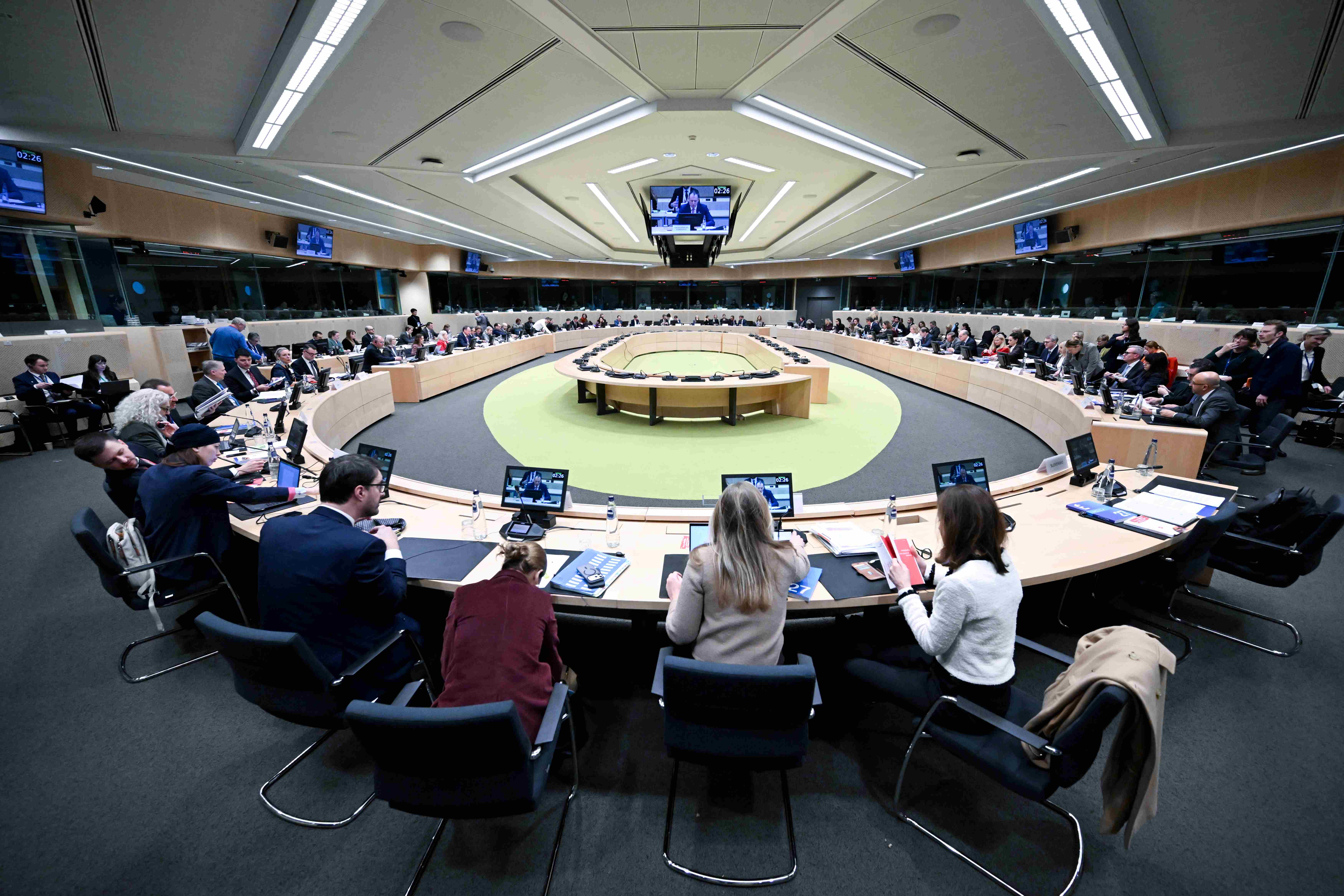
On 20 November, at the meeting of the European Union Education, Youth, Culture and Sport Council in Brussels, Lithuanian Minister of Culture Lukas Alsys joined ministers from other EU Member States to discuss progress on the proposed “EU Kids Act” regulation, approve the EU Work Plan for Culture 2027–2030, and present the priorities of Lithuania’s upcoming Presidency of the Council of the EU.
“At the Council of the European Union, we approved the EU Work Plan for Culture, which sets out our common actions and priorities for the next four years. We also devoted considerable attention to the ‘EU Kids Act’ regulation, which aims to create a safer digital environment for children. Lithuania firmly supports a common European approach: safety must be built into digital services from the very beginning of their development. At the same time, obligations imposed on service providers must be practical, proportionate and tailored to the specific nature of their services. Legislation alone is not enough – prevention, media and digital literacy, and support for parents are equally important,” Minister L. Alsys noted.
The EU Work Plan for Culture 2027–2030 establishes common cultural policy priorities for EU Member States. For Lithuania, particularly relevant areas include strengthening the competitiveness of the cultural and creative sectors, ensuring sustainable funding, fair remuneration for artists and addressing the impact of artificial intelligence on cultural diversity. Other key priorities include expert cooperation in protecting cultural heritage in times of crisis and continued support for Ukraine.
Minister L. Alsys presented the priorities for culture and media under Lithuania’s Presidency of the Council of the EU in the first half of 2027. The cultural agenda of the Presidency will be underpinned by the concept of resilience. Particular attention will be given to the role of culture in strengthening democratic and societal resilience, protecting cultural heritage and improving preparedness for crises, as well as the contribution of the cultural and creative sectors to the EU’s competitiveness. Key legislative priorities during Lithuania’s Presidency will include negotiations on the “AgoraEU” programme and the “EU Kids Act” regulation, the renewal of the European Capitals of Culture initiative for the 2034–2047 period, and the review of the Audiovisual Media Services Directive.
At the Council meeting, Lithuania also expressed its support for an initiative led by Poland and other Member States calling for a common EU position to prevent Russia from participating in the 2027 Venice Architecture Biennale. According to L. Alsys, EU-funded platforms must not become spaces where an aggressor can legitimise its actions or spread propaganda by exploiting freedom of cultural expression.
During his visit to Brussels on 19–20 November, Minister L. Alsys also held bilateral meetings with Nela Riehl, Chair of the European Parliament’s Committee on Culture and Education, and Glenn Micallef, European Commissioner for Intergenerational Fairness, Youth, Culture and Sport. They discussed cooperation in the context of Lithuania’s upcoming Presidency of the Council of the EU. On the sidelines of the Council meeting, L. Alsys also met with Henna Virkkunen, Executive Vice-President of the European Commission for Tech Sovereignty, Security and Democracy, and Marta Cienkowska, Poland’s Minister of Culture and National Heritage.
Photo by organisers