

From Threat to Opportunity: Managing Climate Change in the Cultural Landscape of the Curonian Spit
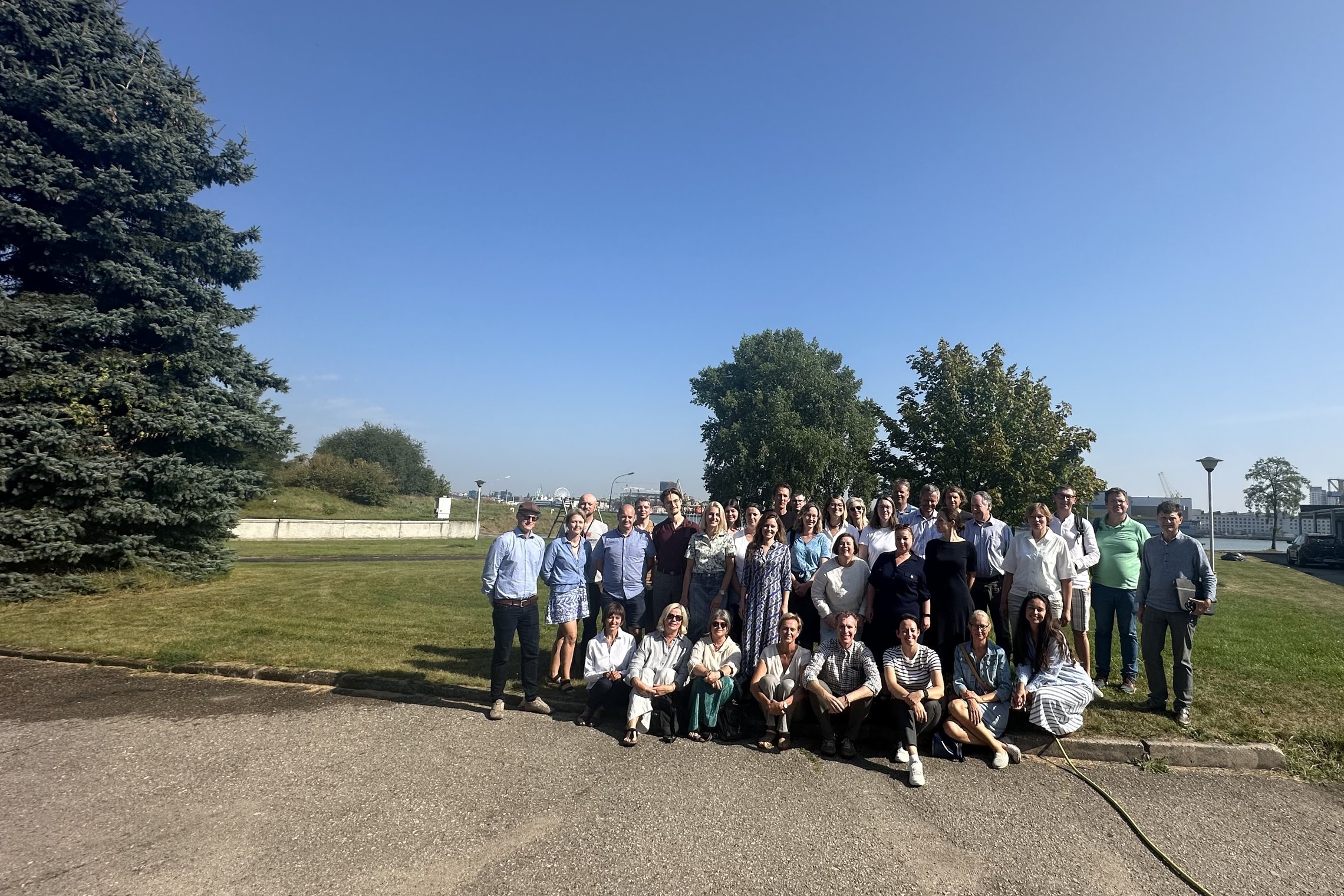
Last week, an international workshop “Climate Change Vulnerability Index for Cultural Heritage (Curonian Spit)” with scientists from James Cook University in Australia: Scott Heron, Professor of Physical Sciences, Head of the UNESCO Chair on Climate Change Vulnerability of Natural and Natural Cultural, and Jon Day, a long-time expert in biodiversity conservation of UNESCO World Heritage Sites, took place on the Curonian Spit.
A special report on the vulnerability of the Curonian Spit to climate change will be prepared by the end of the year, using the international Climate Vulnerability Index (CVI) methodology developed by the above scientists.
This tool differs from other tools in that the assessment of the impact of climate change on world heritage properties is based on exceptional global value, scientific data and community knowledge. By combining climate expertise and community knowledge, it identifies the key climate threats and their consequences on the property, as well as the community’s capacity to respond and adapt to a changing environment and livelihoods.
“Addressing the challenges of climate change to preserve cultural heritage for the current generation and future generations is becoming a common practice today. The international project on the Curonian Spit and the mining town Røros in Norway, organised by the Ministry of Culture and the Norwegian Directorate for Cultural Heritage, a partner of the European Economic Area Financial Mechanism Culture Programme, brought together specialists from different sectors, scientists and the inhabitants of these sites. I hope that the established cooperation established lead to closer inter-institutional communication on climate change issues in the field of World Heritage. I am delighted that this important project marks the conclusion of the highly successful Culture Programme for the EEA financial period 2014-2021,” said Rimantas Mikaitis, the Vice-Minister of Culture.
The workshop in the Curonian Spit examined local vulnerability to climate change up to 2070, using the RCP8.5 peak emissions scenario. Carbon dioxide emissions and temperatures are projected to continue to rise throughout the 21st century. Economic, social and cultural linkages and dependencies and adaptive capacity were assessed by identifying three main climate drivers relevant to the Curonian Spit: temperature trends, coastal erosion and intense precipitation.
Prof. Scott Heron has pointed out that in addition to recommending adaptation strategies, the final report of the Curonian Spit CVI should also identify gaps in research, policy and guidance that need to be further explored and filled.
“The Curonian Spit and the mining town Røros in Norway, where the CVI workshop took place last month, are very different UNESCO World Heritage cultural landscapes, but both sites are testaments to human ingenuity and ability to survive in harsh natural environments. It was valuable to focus on cultural heritage and climate change adaptation at the end of this EEA Financial Mechanism period. This is an area that will need even more attention in the near future,” said Vegard Berggård, the Senior Advisor to the Director of the Norwegian Directorate for Cultural Heritage and Coordinator of the EEA Financial Mechanism Group.
The international workshop was organised in cooperation with the project partners, i.e. the Ministry of Environment, the Administration of the Curonian Spit National Park and the Secretariat of the National Commission for UNESCO.
Photo of the Ministry of Culture
Last updated: 17-09-2024