

Minister Vaida Aleknavičienė discussed the impact of AI on cultural rights and the fight against illicit trafficking in cultural goods
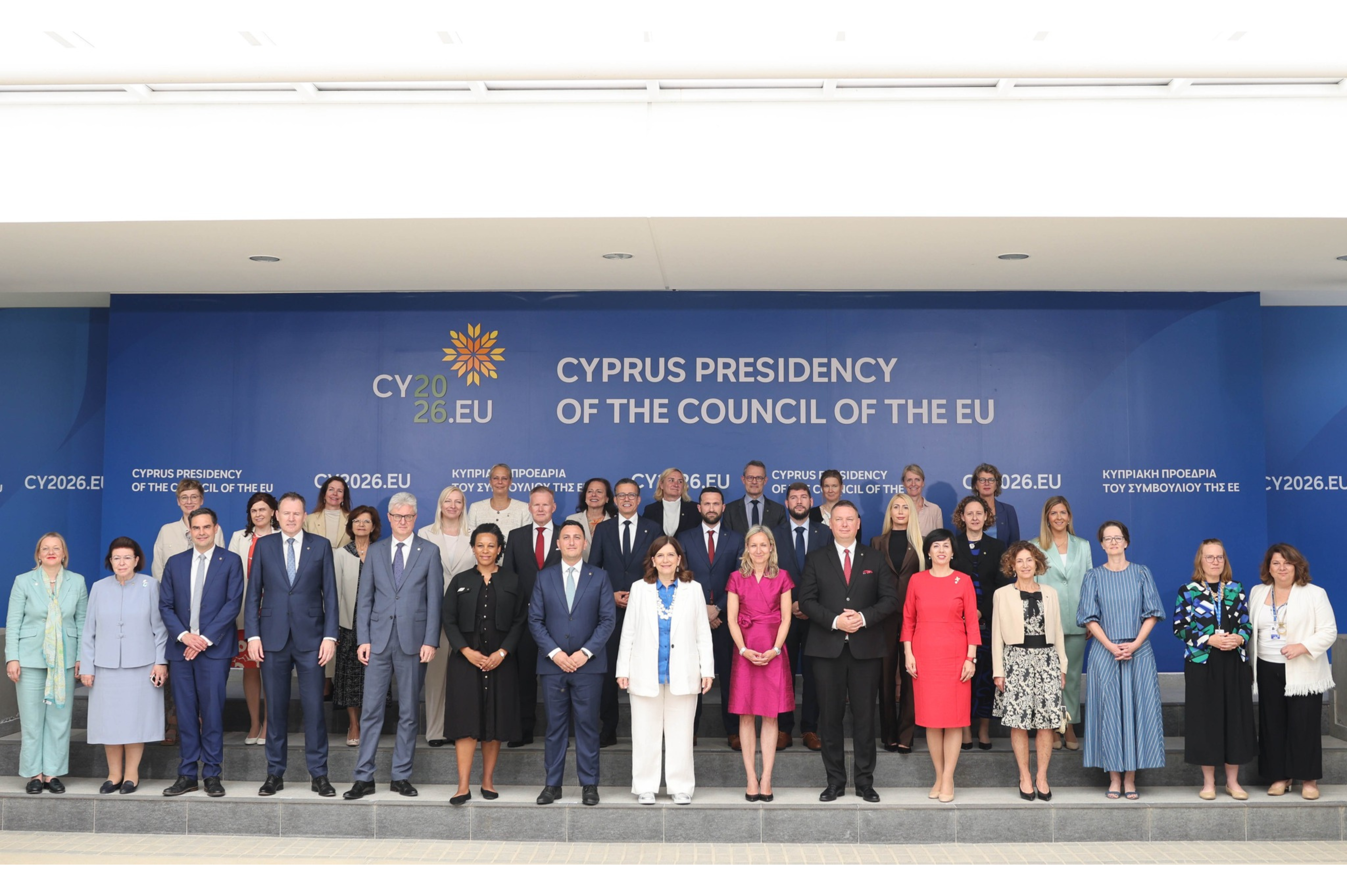
On June 1–3, Minister of Culture Vaida Aleknavičienė attended an Informal Meeting of EU Ministers of Culture in Nicosia (Cyprus). The main topics on the event’s agenda were the impact of artificial intelligence (AI) on cultural rights and creativity, and the fight against illicit trafficking in cultural goods.
During the session on the challenges of cultural diversity and intellectual property, fundamental challenges posed by AI regarding authorship, artistic freedom, and fair remuneration for creators were discussed. Presenting Lithuania’s position, Minister of Culture Vaida Aleknavičienė emphasized that human creativity is an intrinsic value, and technology must remain merely a tool.
“Artificial intelligence without human imagination and critical thinking remains a functional tool. We are a small country with a unique language and a limited market, so we are particularly sensitive to the risk that generative systems may disproportionately affect the visibility of small languages and cultures as well as the economic sustainability of creators. Our public policy must be based on three pillars: genuine transparency, effective remuneration mechanisms, and active protection of small languages and cultures in the digital ecosystem,” stated the Minister of Culture.
In the second part of the meeting, ministers discussed responses to the illicit trade in cultural property. In Minister Vaida Aleknavičienė’s view, the necessary legal instruments already exist, including the EU 2014 Directive on the return of cultural objects, the 1970 UNESCO Convention and 1995 UNIDROIT Convention, so the priority now must be the consistency and effective implementation of existing legal framework. In this context, DI tools could facilitate more effective provenance analysis, monitoring of online trade, and the operation of interconnected databases, while ensuring human expert oversight.
During her working visit to Cyprus, the Minister of Culture also participated in bilateral meetings with the heads of the French and German delegations. The topic of the meetings was Lithuania’s Presidency of the Council of the EU in the first half of 2027.
The informal meeting of EU culture ministers in Nicosia was also attended by Glenn Micallef, the European Commissioner responsible for culture; Nela Riehl, Chair of the European Parliament’s Committee on Culture and Education; and experts from the United Nations and UNESCO.
Photo by the organizers
Last updated: 05-06-2026